
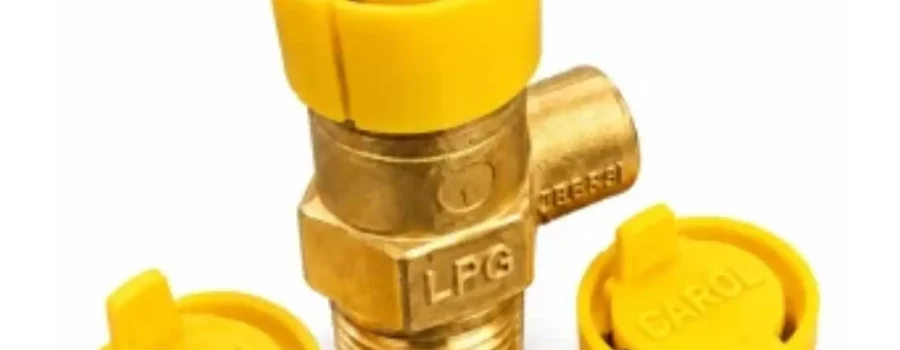
Liquefied Petroleum Gas (LPG) is widely used in homes, restaurants, commercial kitchens, and various industries for cooking and other everyday applications. Because LPG is flammable, handling and storing it safely is essential. Every part of the supply process matters, including the condition of the cylinder, its valve, and the seal fitted by the supplier.
LPG cylinder seals are an important part of product security and tamper detection. They help consumers identify whether a cylinder’s closure appears intact before accepting delivery. Checking the seal is a simple precaution that can help people make more informed decisions about the cylinders they use.
In this guide, we explain why LPG cylinder seals matter, how they support safety and security, and what consumers should check before accepting a cylinder.
What Is an LPG Cylinder Seal?
An LPG cylinder seal is a closure or tamper-evident component fitted to a cylinder’s valve or outlet, depending on the cylinder design and the supplier’s system. It may be made from plastic, metal, or another suitable material.
Many seals are designed to show visible evidence if someone has opened, removed, or interfered with the original closure. Some may also carry a manufacturer’s or supplier’s identification.
The exact design and purpose of a seal vary by cylinder type, supplier, and local requirements. A tamper-evident seal should not automatically be confused with a pressure-tight valve cap or plug, which may serve a separate protective or sealing function.
Understanding this distinction helps consumers recognize what a seal can—and cannot—tell them about a cylinder.
1. Helps Detect Possible Tampering
One of the main purposes of an LPG cylinder seal is to make unauthorized access more noticeable.
An intact, appropriate seal provides a visible indication that the closure appears undisturbed. If the seal is missing, broken, loose, or looks inconsistent with the supplier’s normal seal, it may indicate that the cylinder requires further inspection.
This matters because unauthorized interference with a cylinder can compromise confidence in its handling and contents.
However, an intact seal is not proof that a cylinder is completely safe, correctly filled, or free from leaks. It is one part of a broader safety process.
Safety tip: If a newly delivered cylinder has a damaged, missing, or suspicious seal, do not attempt to repair or replace it yourself. Contact the authorized supplier and request an inspection or replacement before use.
2. Supports Product Integrity and Security
Consumers need confidence that the LPG cylinder they receive has been handled through an appropriate supply process.
A tamper-evident seal helps provide a visible reference point for checking the cylinder’s closure at delivery. Depending on the supplier’s system, identification markings may also help distinguish an approved seal from an unfamiliar or unauthorized one.
This can support product integrity by making suspicious cylinders easier to identify and report.
For LPG distributors and retailers, consistent sealing procedures and clear inspection practices can also help improve accountability throughout the distribution process.
3. Helps Consumers Make Better Delivery Decisions
When an LPG cylinder arrives, consumers should not focus only on whether it has been delivered on time. They should also check its visible condition before accepting it.
A quick inspection can help identify warning signs such as:
-
A missing or visibly damaged seal.
-
A seal that appears to have been removed or replaced.
-
Unusual damage around the valve or cylinder opening.
-
Visible dents, serious corrosion, or other concerning physical damage.
-
An unfamiliar seal that does not match the supplier’s expected identification.
These signs do not necessarily prove that tampering has occurred, but they are reasons to stop and seek guidance from the supplier.
If the cylinder appears damaged or its closure is questionable, ask the delivery provider to arrange a suitable inspection or replacement rather than accepting it without clarification.
4. Encourages Responsible Handling Throughout the Supply Chain
LPG safety depends on more than the actions of the final consumer. Cylinder filling, inspection, transportation, storage, delivery, and installation all require appropriate procedures.
Sealing practices can form part of a wider quality-control process. When used alongside authorized filling, appropriate inspections, correct weighing procedures, and leak checks, seals help support a more reliable distribution system.
For suppliers, maintaining consistent sealing and inspection procedures can make it easier to identify irregularities and respond to customer concerns.
For consumers, buying from an authorized and reputable supplier is an important step toward obtaining a properly handled cylinder.
5. Helps Build Customer Confidence
Trust matters when customers purchase a product that must be handled carefully.
A recognizable, undamaged seal can provide reassurance that the cylinder’s closure appears intact when it arrives. Clear supplier identification and a willingness to address concerns can strengthen that confidence further.
For LPG businesses, customer confidence should be supported by transparent procedures, responsible delivery practices, and appropriate safety checks—not by packaging or seals alone.
A professional supplier should be prepared to explain its sealing system and help customers understand what to check before using a cylinder.
6. Complements Other LPG Safety Measures
A cylinder seal is not a substitute for proper equipment, inspection, or safe handling. Even a cylinder with an intact seal may have a faulty valve, a damaged body, an unsuitable regulator, or another problem.
Before using an LPG cylinder, consider the following precautions:
Inspect the cylinder
Check for visible damage, severe corrosion, or other abnormalities. Do not use a cylinder that appears unsafe; contact the supplier for guidance.
Check the valve and appropriate protective closure
Make sure the cylinder has the correct valve protection or closure for its design. Never force a cap, plug, or fitting into place.
Use compatible equipment
Use an appropriate regulator, hose, and connection system that meets the requirements of the cylinder and appliance. Have installation and repairs handled by a qualified professional.
Check for signs of leakage
If you smell gas or suspect a leak, do not light a flame or operate electrical switches. If it is safe to do so, shut off the gas supply without exposing yourself to danger, leave the area, and contact the gas supplier or local emergency service from a safe location. Do not reconnect or use the cylinder until it has been checked by a qualified person.
Never use a match or lighter to test for gas leaks.
Store the cylinder correctly
Follow local safety guidance and the supplier’s instructions. LPG cylinders generally need an upright, stable position in a suitable well-ventilated area, away from heat and ignition sources.
Buy from an authorized supplier
A reliable supplier can provide information about the cylinder, its inspection status, the correct seal, and the appropriate procedure for reporting a damaged or suspicious closure.
What Should You Do If an LPG Cylinder Seal Is Broken?
A broken or missing seal should be treated as a reason for caution, particularly when the cylinder has just been delivered.
Follow these steps:
-
Do not use the cylinder. Do not connect it to an appliance or try to determine the cause of the damage yourself.
-
Keep away from ignition sources. Do not smoke, light a flame, or operate electrical switches if you suspect a gas leak.
-
Contact the supplier. Explain that the seal is missing, broken, or suspicious and request instructions for an inspection or replacement.
-
Do not tamper with the valve. Never attempt to reseal the cylinder or repair its fittings yourself.
-
Treat a gas smell as an emergency. Leave the area and contact the appropriate emergency service or gas supplier from a safe location.
A damaged seal does not automatically mean the cylinder is leaking. Nevertheless, the concern should be resolved by the supplier before the cylinder is used.
Why LPG Distributors Should Follow Proper Sealing Procedures
For LPG distributors, retailers, and filling businesses, sealing is one element of a responsible cylinder-handling process.
Good practices include:
-
Using the correct, approved sealing components for the cylinder and applicable requirements.
-
Applying seals through authorized procedures.
-
Checking cylinders for visible damage and other defects.
-
Following required filling, weighing, and leak-testing procedures.
-
Training staff to identify and report suspicious seals.
-
Giving customers clear instructions about cylinder inspection and safe handling.
-
Maintaining suitable procedures for complaints, returns, and replacement requests.
These measures help ensure that seals support a broader safety system rather than becoming the only check performed before delivery.
Businesses should follow the relevant regulations and technical requirements that apply in their operating location.
Conclusion
LPG cylinder seals play an important role in product security and tamper detection. They help consumers identify whether a cylinder’s closure appears undisturbed, support responsible distribution practices, and provide a useful visual check before delivery is accepted.
However, a seal alone cannot guarantee that an LPG cylinder is safe or leak-free. Safe use also depends on cylinder condition, proper filling and inspection, compatible equipment, correct storage, and responsible handling.
Always check the seal and visible condition of a newly delivered cylinder, purchase from an authorized supplier, and report any damage or suspicious signs before use. Taking these precautions can help support safer LPG handling at home and in commercial settings.
1 Comment
Reiciendis officia tenetur eius neque repudiandae. ab velit consequatur deleniti Nobis odio quia praesentium sed. Cupiditate in quis eius architecto omnis quos. Fugit mollitia dolorem dolorem dolores. Impedit quis totam eveniet repellendus. Reiciendis aut voluptate voluptates et asperiores Sit quibusdam nobis. Magnam magnam reprehenderit est nemo sunt. sed provident velit. Et occaecati praesentium esse nostrum. sed ut quia qui Esse in officia illo ratione.