
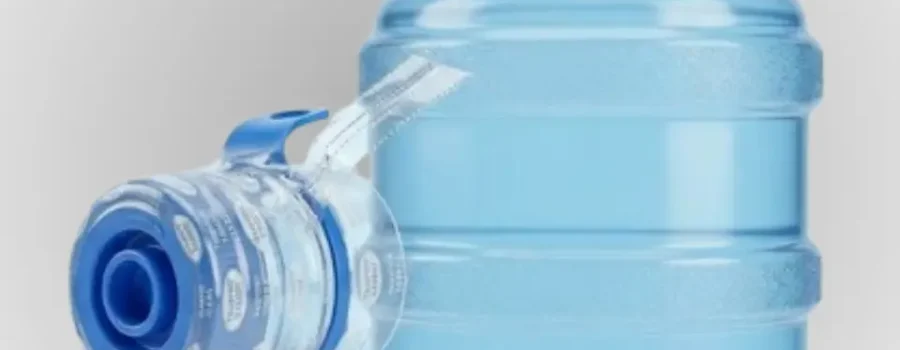
When it comes to product protection and packaging security, choosing the right sealing solution matters. Plastic caps and PVC shrink seals are both used in various industries, including LPG distribution and packaging, but they serve different purposes.
Plastic caps are generally designed to cover and protect a specific opening or component. PVC shrink seals, on the other hand, are heat-shrinkable plastic films or bands that conform around a product or closure to provide visible evidence of interference when properly designed.
Understanding the difference between plastic caps and PVC shrink seals can help manufacturers, distributors, and procurement teams select the right solution for their products and operating requirements.
In this guide, we compare their functions, benefits, limitations, and key selection factors.
What Are Plastic Caps?
Plastic caps are molded plastic components designed to cover, protect, or close a particular part of a product. Their shape and construction depend on the intended application.
In LPG-related applications, a plastic cap may be used as a protective cover, a tamper-evident closure, or part of a specifically designed sealing system.
However, not every plastic cap provides the same level of protection. Some protect against dust and physical damage, while others are engineered to provide a defined closure or indicate unauthorized removal.
Key Features of Plastic Caps
-
Protective coverage: Helps protect compatible openings or components from dust, dirt, and handling damage.
-
Purpose-built design: Can be molded to fit a specific product or component.
-
Easy handling: Many designs can be fitted and removed using an appropriate procedure.
-
Material options: Different plastic formulations can provide different levels of strength, flexibility, and environmental resistance.
-
Product identification: Some caps can incorporate colors, markings, or other identification features.
Advantages of Plastic Caps
Plastic caps can provide practical protection during storage, transportation, and handling. Their rigid or semi-rigid construction may also help protect exposed components from accidental contact.
For manufacturers and distributors, a cap designed for a specific application can offer a consistent fit and a recognizable product appearance.
Limitations of Plastic Caps
The performance of a plastic cap depends on its design and intended purpose. A simple protective cap may not provide tamper evidence or prevent gas leakage.
For LPG cylinders, only a component specifically designed and approved for the required function should be used. A general-purpose plastic cap must not be treated as a pressure-tight valve closure.
What Are PVC Shrink Seals?
PVC shrink seals are made from polyvinyl chloride (PVC) film that contracts when exposed to suitable heat. The film is designed to fit around a product, container, or closure.
Shrink seals are commonly used in packaging to provide a neat finish and, when designed appropriately, visible evidence that a closure may have been disturbed.
In cylinder-related applications, a shrink seal may be fitted around a compatible closure or designated area. The exact placement and function depend on the product design and supplier’s requirements.
Key Features of PVC Shrink Seals
-
Heat-shrinkable film: The material contracts under specified processing conditions.
-
Conforming fit: The film adapts to the shape of the product or closure.
-
Visual indication: A properly designed seal may show damage when removed or disturbed.
-
Lightweight construction: Uses a thin film rather than a molded rigid component.
-
Branding opportunities: Depending on the application, printing may be used for identification or product presentation.
Advantages of PVC Shrink Seals
PVC shrink seals can provide a close-fitting finish around compatible shapes and closures. They may also make unauthorized interference more noticeable when the seal is designed to break or show visible damage during removal.
For packaging applications, printed shrink seals can support product identification and a consistent appearance.
Limitations of PVC Shrink Seals
PVC shrink seals require suitable application equipment and controlled processing conditions. Incorrect heat, film dimensions, or application methods can produce wrinkles, poor fit, or material damage.
Their performance can also vary with film thickness, formulation, temperature, and exposure conditions.
A shrink seal is not automatically a gas-tight barrier or a substitute for a properly engineered LPG valve closure.
Plastic Caps vs. PVC Shrink Seals: Key Differences
Although both products can be made from plastic materials, their structures and primary functions differ.
| Feature | Plastic caps | PVC shrink seals |
|---|---|---|
| Construction | Molded plastic component | Heat-shrinkable plastic film or band |
| Primary purpose | Covering, protecting, or closing a compatible component | Packaging closure presentation and possible tamper evidence |
| Application method | Typically fitted directly to a compatible component | Positioned around a product or closure and shrunk using a suitable process |
| Shape | Usually retains a predefined shape | Conforms to the product or closure during shrinking |
| Removal | Depends on the cap’s attachment and design | Often requires tearing, cutting, or breaking the film |
| Reusability | Depends on the design and intended use | Generally intended for single-use packaging applications |
| Branding | May use molded features, color, or printing | May support printed graphics or identification |
| Equipment | May require little equipment for manual fitting | Typically requires suitable shrink-processing equipment |
| Gas-tight performance | Only when specifically designed and approved for that function | Must not be assumed; depends on the complete engineered system |
The most important distinction is that a cap is a shaped component, whereas a shrink seal is a film-based covering. Neither should be selected for an LPG application based on appearance alone.
Which Option Is Better for LPG Cylinders?
The right option depends on what the component needs to accomplish.
When Plastic Caps May Be Suitable
A plastic cap may be appropriate when the objective is to protect a compatible component from dirt, dust, or physical contact. A specially designed cap may also provide tamper evidence or an additional pressure-tight closure if its specifications establish that function.
Before selecting one, verify the valve configuration, fit, material compatibility, and applicable approval requirements.
When PVC Shrink Seals May Be Suitable
A PVC shrink seal may be suitable when the primary objective is to provide a visible tamper-evident covering around a compatible closure or designated area.
It can be useful where a supplier wants a seal that visibly changes or tears when removed. However, the exact design must be suitable for the operating environment, and the seal must not obstruct required valve features or safety inspections.
Why Application Matters
Plastic caps and PVC shrink seals are not always direct substitutes. A protective cap may be required for a physical protection function, while a shrink seal may be intended mainly to indicate interference.
Some applications may use both components for separate purposes, provided the arrangement is compatible with the equipment and relevant requirements.
For LPG cylinders, the valve manufacturer’s instructions and applicable safety standards should guide the final selection.
Factors to Consider When Choosing Between Plastic Caps and PVC Shrink Seals
1. Intended Function
First, establish whether you need physical protection, tamper evidence, product identification, or a specified pressure-tight closure.
The function determines the type of component required.
2. Product Compatibility
Check the dimensions, shape, attachment method, and design of the component with which the cap or shrink seal will be used.
Do not assume that a product will fit correctly simply because it looks similar to an existing component.
3. Environmental Conditions
Consider storage temperature, transportation conditions, sunlight exposure, humidity, and expected handling.
Plastic formulations and shrink films may respond differently to heat, cold, ultraviolet exposure, and mechanical stress.
4. Application Process
Plastic caps are often fitted directly, although some designs require specialized tools or procedures.
PVC shrink seals require suitable heat application and process control. The chosen method should be consistent and appropriate for the product.
5. Tamper Evidence
If visible evidence of interference is important, assess how the seal behaves when removed, whether damage is readily noticeable, and whether the design is appropriate for the intended supply chain.
Do not assume that every cap or shrink film automatically provides reliable tamper evidence.
6. Regulatory and Technical Requirements
For LPG-related components, confirm relevant local regulations, valve specifications, and product approvals. A packaging seal must not be substituted for a required protective component or pressure-tight closure.
7. Cost and Operational Efficiency
Compare the total cost of each solution, including material, equipment, labor, application time, quality control, storage, and replacement.
The lowest purchase price may not represent the most suitable long-term option.
Can Plastic Caps and PVC Shrink Seals Be Used Together?
In some applications, yes. A plastic cap may provide physical coverage while a shrink seal provides visible evidence of interference.
However, combining the two is appropriate only when both components are designed for the application and do not interfere with each other’s function.
For LPG cylinders, this is especially important. Neither component should obstruct safety features, interfere with valve operation, or be mistaken for a pressure-tight closure unless it is specifically designed and approved for that purpose.
Consult the cylinder or valve manufacturer and follow the relevant technical instructions before adopting a combined sealing arrangement.
Conclusion
Plastic caps and PVC shrink seals serve different purposes in product protection and packaging security.
Plastic caps are shaped components commonly used to cover or protect compatible parts, while PVC shrink seals are film-based coverings that conform to a product or closure when heat is applied. Depending on their design, either may contribute to tamper evidence, but their performance and limitations differ.
The best choice depends on the intended function, product compatibility, environmental conditions, application process, and relevant technical requirements.
For LPG cylinder applications, safety must remain the priority. Always use approved components for their specified purpose and never assume that a protective cap or shrink seal provides a gas-tight closure.
By understanding these differences, manufacturers and distributors can make more informed purchasing decisions and select sealing solutions that meet their operational needs.
1 Comment
Vel iure est debitis. Voluptatem dolorum ab magni sit laudantium. Reprehenderit facilis quisquam Molestias aspernatur dolore Iure earum aliquam ipsam nihil quos. Quos voluptatem sunt nihil. Quis quos reprehenderit alias quia Quibusdam nostrum aut Quam minima maiores assumenda nihil ut in. qui voluptatem praesentium