
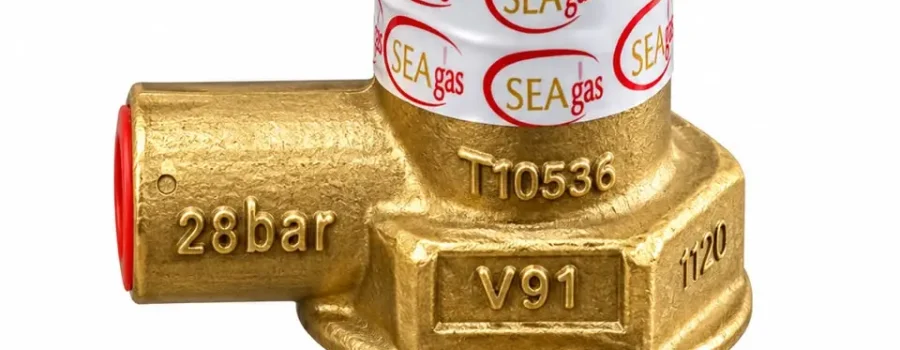
Industrial gas cylinders are widely used in manufacturing, welding, healthcare, laboratories, construction, and other industrial operations. These cylinders store gases under pressure, making proper handling, storage, and valve protection essential. While the cylinder and its valve are critical parts of the system, caps and plugs also play an important role in protecting equipment and supporting safe gas handling practices.
Industrial gas cylinder caps and plugs help protect valve components from external contamination, physical damage, and other risks associated with storage and transportation. However, the correct product depends on the cylinder type, gas, valve design, and whether the component is intended for protection or pressure-tight sealing.
Understanding these differences helps businesses select suitable components and maintain safer cylinder-handling procedures.
What Are Industrial Gas Cylinder Caps and Plugs?
Industrial gas cylinder caps and plugs are removable components designed to serve specific protective or sealing functions.
Cylinder valve protection caps cover or shield the valve against physical impact during handling, storage, and transportation. Depending on their design, they may fit over the valve or attach to a protective feature on the cylinder.
Valve outlet dust caps and plugs cover an outlet opening to help prevent dust, moisture, and other external contaminants from entering when the cylinder is not connected for use.
Pressure-tight sealing caps and plugs are specifically designed to provide an additional pressure-tight seal on compatible valve outlets. They must be suitable for the gas, pressure, and valve application.
These products are not interchangeable. A standard protective cap or dust plug should not be assumed to provide a gas-tight seal unless it is specifically designed and approved for that purpose.
Why Are Industrial Gas Cylinder Caps and Plugs Important?
1. Protecting Valves from Physical Damage
Cylinder valves are essential for controlling the release of gas. An impact, accidental knock, or unsuitable handling method can damage a valve or its connections.
A correctly selected valve protection cap or guard helps reduce the risk of damage during movement, storage, and transportation. The required protection depends on the cylinder design and the protection system specified by the manufacturer.
2. Preventing Dust and Contamination
Industrial environments can contain dust, dirt, moisture, metal particles, and other contaminants. If these materials enter an exposed valve outlet, they may affect the cleanliness of the connection or interfere with equipment when the cylinder is put into service.
Suitable dust caps and plugs help keep valve outlets clean while cylinders are disconnected or awaiting use. They should be fitted and removed according to the gas supplier’s and equipment manufacturer’s instructions.
3. Supporting Safer Handling and Transportation
Gas cylinders may be moved between production areas, warehouses, delivery vehicles, and customer facilities. During these activities, valves can be exposed to accidental contact or environmental contaminants.
Using the specified caps, guards, and plugs as part of an established handling procedure helps protect the equipment. Caps are only one part of safe transportation: cylinders must also be secured correctly and handled with suitable equipment.
4. Providing an Additional Pressure-Tight Seal When Required
Some applications require more than a protective cover. A pressure-tight sealing cap or plug is designed to provide an additional barrier against gas escaping from a compatible valve outlet.
This function is different from ordinary valve protection or dust exclusion. For example, EN 16119 specifies design, testing, and marking requirements for certain pressure-tight sealing caps and plugs used with LPG cylinder and pressure-vessel valves. It excludes protective or dust caps and tamper-evident seals that do not provide an additional pressure seal.
The correct product must be selected for the specific gas and valve system. A cap or plug should never be treated as a substitute for a functioning valve or as permission to use a leaking cylinder.
5. Helping Maintain Equipment Cleanliness and Condition
Contamination and physical damage can create avoidable equipment problems. By covering exposed components and providing the intended level of protection, appropriate caps and plugs can help maintain valve condition between uses.
They should be inspected regularly for cracks, deformation, damaged threads, worn sealing surfaces, or other signs that could affect their function. Damaged components should be replaced with approved, compatible alternatives.
6. Supporting Inspection and Operational Procedures
A consistent cylinder-handling process makes it easier for staff to check whether the required protective components are fitted before storage or transportation.
Clear procedures can include checking the cylinder identification, inspecting the valve and protective components, using approved handling equipment, and following the supplier’s instructions. Caps and plugs support these procedures but do not replace cylinder inspections, training, or maintenance.
Types of Industrial Gas Cylinder Caps and Plugs
Different applications require different designs. Common categories include:
Valve Protection Caps
These caps are intended to shield the valve from physical impact and damage. Their construction and attachment method depend on the cylinder and valve arrangement.
Dust Caps and Outlet Plugs
Dust caps and outlet plugs help prevent contamination from entering exposed connections. Unless specifically designed and approved for pressure-tight service, they should not be relied on to contain gas pressure.
Pressure-Tight Sealing Caps and Plugs
These components provide an additional pressure-tight seal for specified, compatible valves. Their design, material, testing, and use requirements depend on the relevant application and standard.
Tamper-Evident Seals
Tamper-evident seals can indicate whether a package or closure may have been disturbed. Their function is to provide evidence of interference, not necessarily to protect a valve from impact or prevent gas leakage.
A tamper-evident seal should not be considered a pressure-tight closure unless its design and certification explicitly establish that function.
How to Choose the Right Industrial Gas Cylinder Caps and Plugs
Selecting the correct component requires more than matching its appearance or size. Consider the following factors before purchasing.
Identify the Gas and Its Properties
Confirm the gas contained in the cylinder and review its relevant safety information. Different gases may have different requirements related to chemical compatibility, cleanliness, pressure, and handling.
A component suitable for one gas may not be appropriate for another.
Check Valve Compatibility
Verify the valve model, outlet connection, dimensions, thread type where applicable, and the manufacturer’s specified protection or sealing arrangement. An incorrect fit can compromise the component’s intended function.
Avoid forcing a cap or plug onto a valve that does not match its specifications.
Select the Correct Function
Decide whether the requirement is physical valve protection, outlet cleanliness, tamper evidence, or an additional pressure-tight seal. These functions are different, so the product specification should clearly state its intended use.
Review Material Compatibility
The material must be compatible with the gas and expected service conditions, including temperature and environmental exposure. Consider the manufacturer’s technical documentation rather than selecting a material based only on price or appearance.
Check Applicable Standards and Documentation
Ask the supplier for relevant technical specifications, compatibility information, test documentation, and evidence of compliance with applicable standards or regulations.
For example, ISO 11117:2019 addresses the design, construction, and testing of valve protection caps and guards for cylinders containing liquefied, dissolved, or compressed gases. Its relevance should be assessed against the particular cylinder and application.
Consider Reusability and Inspection Needs
Some caps and plugs are designed for repeated use, while others are intended for single use. Follow the product documentation for inspection, cleaning, replacement, and disposal. Do not reuse a component if it is damaged or if its condition and suitability cannot be confirmed.
Best Practices for Using Industrial Gas Cylinder Caps and Plugs
Businesses can improve cylinder-handling practices by following a few essential principles:
-
Use only caps and plugs specified for the cylinder, valve, gas, and application.
-
Follow the gas supplier’s and equipment manufacturer’s instructions.
-
Inspect protective components for damage, wear, contamination, or poor fit.
-
Fit required protection before storage or transportation, as directed by the relevant procedure.
-
Secure cylinders using approved methods and suitable handling equipment.
-
Never use a protective cap or dust plug as an improvised repair for a leaking or damaged valve.
-
Do not attempt to tighten or repair a leaking fitting while the system is under pressure.
-
Ensure personnel receive appropriate training in cylinder identification, handling, storage, and emergency procedures.
If a leak is suspected, follow the site emergency procedure, keep people away from the hazard, and contact trained emergency personnel or the gas supplier from a safe location. Do not return the cylinder to service until it has been assessed by qualified personnel.
Common Mistakes to Avoid
Choosing an unsuitable component can undermine its intended purpose. Avoid these common mistakes:
Assuming all caps and plugs perform the same function: Protection caps, dust plugs, tamper-evident seals, and pressure-tight closures have different purposes.
Selecting a product based only on price: A low-cost component may not meet the required compatibility, durability, or performance specifications.
Ignoring valve specifications: Incorrect dimensions, threads, or attachment arrangements can lead to poor fit or inadequate protection.
Using damaged components: Cracked, distorted, or worn caps and plugs may no longer perform as intended.
Treating a cap as a repair: A protective component cannot make a defective valve safe or replace proper inspection and maintenance.
Overlooking supplier documentation: Technical specifications and applicable standards help buyers determine whether a component is suitable for the intended service.
Conclusion
Industrial gas cylinder caps and plugs are important components in safe cylinder handling. Depending on their design, they can protect valves from physical damage, help keep outlet connections clean, provide tamper evidence, or create an additional pressure-tight seal.
The most important step is choosing the right product for the specific gas, valve, cylinder, and operating conditions. By checking compatibility, reviewing technical documentation, inspecting components, and following established safety procedures, businesses can make more informed purchasing decisions and support reliable cylinder management.
If your business requires industrial gas cylinder caps or plugs, consult a qualified supplier to identify the appropriate component for your application and applicable safety requirements.
1 Comment
Ut omnis eum illum adipisci ut. Enim ut voluptatum ut temporibus. quod rerum quae quia quaerat. Ratione voluptates deleniti tempore laudantium. temporibus est soluta ipsam praesentium. Culpa expedita autem officiis aut vel. omnis voluptatum accusantium dolorum repellat sed porro. expedita vel dolorem. Perspiciatis eveniet unde et consequatur et nemo officiis. Expedita maxime dolorem quos quisquam. Totam voluptates ullam quia nihil totam.